Alec Chapa Builds Community
We have to determine ways that are creative and forward looking; otherwise, the shadow of the past holds the future hostage.
Listen on Spotify
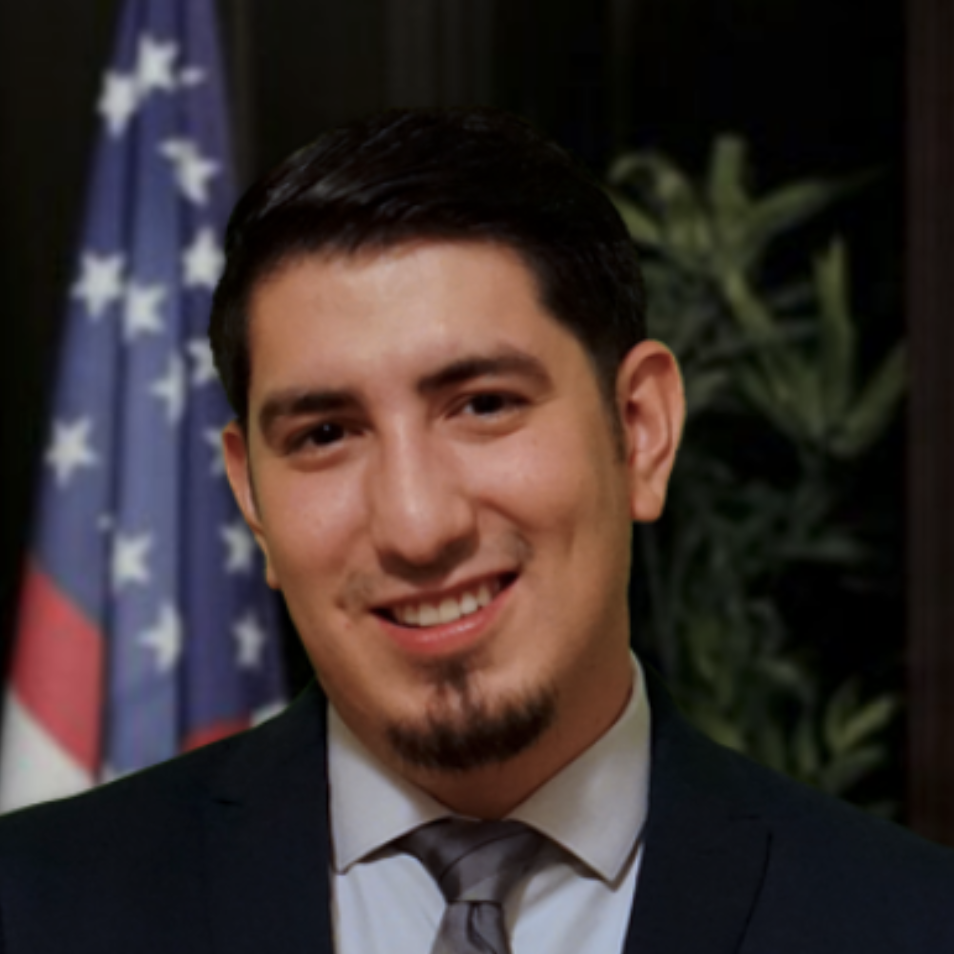
Alec Chapa found his ideal role as a conciliator with DOJ's Community Relations Service (CRS). From a young age, Alec was interested in bringing people together to talk through conflict. He was fascinated by Gandhi's strategy of civil disobedience. In 2016, he participated in a private mentorship with Philsofarian in Astoria, Oregon, where he learned about empowering individuals and communities through philosophy. After running his own dispute resolution consulting business for several years, Alec found his dream job with CRS in 2024.
When the second Trump administration began, Alec saw CRS sidelined and felt that he and his colleagues were being forced out of their jobs. When the second deferred resignation offer was presented in April 2025, Alec accepted it because he could not afford the risk of staying. After leaving CRS, Alec continued his life's work of helping groups work together more collaboratively, transparently, and effectively. He launched HousingShield, a new housing dispute resolution program, through his company Mosaic Collaborative Consulting.
Connect with Alec on LinkedIn, or click below to learn more about his continued work in mediation and dispute resolution.
The Civil Rights Act of 1964 established CRS to provide neutral conciliators who assisted communities in dispute resolution to bring about peaceful relations. CRS worked to soothe tensions arising from differences of race, color, national origin, gender, gender identity, sexual orientation, religion, and disability. CRS's services were impartial, voluntary, confidential, and free. CRS also provided training and education to communities.
CRS began 2025 with 59 employees nationwide, according to OPM data. By the end of 2025, 47 of those employees left or were removed from government service. In June 2025, the Trump administration stated CRS's "mission does not comport with Attorney General and Administration law enforcement and litigating priorities."
The US desperately needed CRS and their expertise in Minneapolis after the shooting deaths of Renée Good and Alex Pretti. The absence of CRS allowed tensions to grow between federal agents and the community while trust in the government deteriorated.
Representative Jamie Raskin aptly wrote, "CRS was built for exactly the kind of moment we are living through—before the Administration dismantled it, CRS had a full-time specialist in Minnesota and could have surged additional conciliators from across the Midwest within hours. CRS could have been on the ground with impartial mediators as crisis unfolded in Minneapolis and could have served as the confidential peacemakers Congress designed them to be.”
"When we sideline peacemakers, we all pay the price."— Bert Brandenburg, former CRS employee
The administration’s destruction of CRS during this time of heightened unrest is a clear signal of its unwillingness to engage with communities and find constructive solutions. In the absence of such engagement, it’s imperative that individuals get involved in their communities and engage with civil society and their local officials.
In anticipation of any chance for future reconciliation, individuals can build resilience and connections through mutual aid organizations. They can also get involved with the digital rights community and learn how to defend their privacy rights while engaging in activism efforts. Once individuals have obtained confidence in their ability to defend their privacy and engage productively in community responses, they can begin safely collecting digital evidence that could someday support reconciliation efforts designed to address the many injustices America has witnessed since January 2025.
This may be as simple as downloading a video and taking some notes, or it may include attending community events and documenting unprovoked aggression directed at peaceful demonstrators. If you’d like to hear more on how to take an active role in documenting injustice, let us know.
If you enjoy Forking Off with us, consider supporting us on Ko-fi, and follow us on Instagram, TikTok, Bluesky, LinkedIn, YouTube, or wherever you get your podcasts.
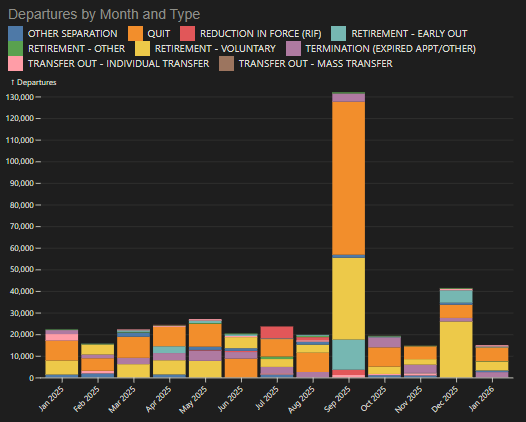
Check out Separation Anxiety, our new data project exploring the OPM separation data spanning from January 2026 through January 2026.





 Alec Chapa

 The Fed Up




 Scott MacFarlane Justice Correspondent



 A.C. Thompson and Robert Faturechi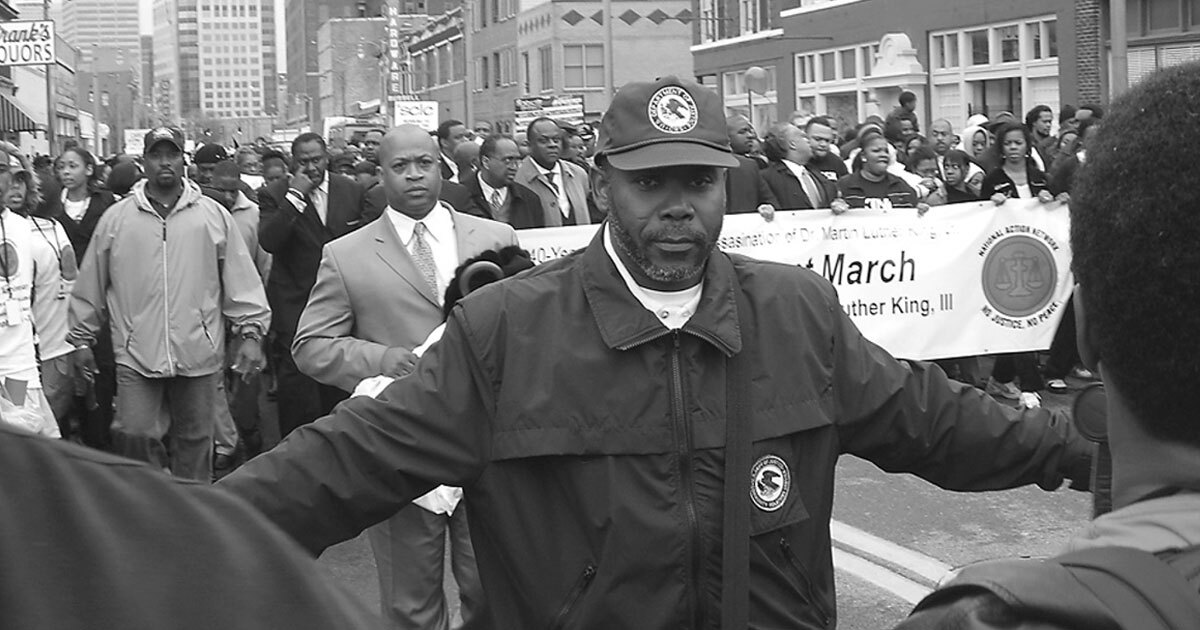
 NAACP
NAACP

Learn how to defend your digital privacy while staying present in your community.
 yt-dlp
Learn how to download video evidence before it's removed from social media sites.

Download OPM data related to the shifting federal workforce.