Dan Tully Talks Elections
It will take those of us who knew the government before to rebuild it and to reshape it to work for the American people again.
Listen on Spotify
Dan Tully left the U.S. Department of Commerce in protest of the administration's destructive foreign policy approach. Dan's background as a Judge Advocate in the Army Reserve gave him experience advising on counter-Chinese influence efforts in the Indo-Pacific. While Dan was building an anti-corruption program for Ukraine's Ministry of Reconstruction, the administration abandoned critical partnerships, echoed Kremlin talking points, and berated Ukraine's President, Volodymyr Zelenskyy in the White House.
Dan is now running for the U.S. House of Representatives in Chicago, Illinois, where he hopes to implement his Trump Accountability Plan and restore the rule of law by wielding Congress's power of inherent contempt and puncturing sovereign immunity for federal agents acting outside the scope of the law.
Election Integrity & Separation of Powers
As we approach the midterm elections, the election conspiracies of 2020 and 2024 are making a comeback alongside threats of voter suppression and intimidation from the White House and MAGA-sphere. In this episode, we cut through the noise of election conspiracies. We discuss how same-day voter registration led to false claims of "more votes than voters" during the 2024 elections. We also explain how a voter fraud prevention tool led to false claims of one state having "more registered voters than voting-age population."
We round out our examination of election fraud conspiracies by explaining why the Election Truth Alliance's conspiracy theories masked as statistical analysis did not prove voter fraud in the 2024 presidential race. We discuss how misinterpreting academic research and ignoring important methodological distinctions to justify demands for hand counts doesn't begin to address the actual threats voters could face at the polls in 2026, such as the weaponization of federal law enforcement as recently seen in Fulton County, Georgia.
As the executive branch tramples constitutional boundaries in an effort to centralize power, we discuss the constitutional remedies available to Congress, the States, and the People, as well as legislative proposals that would further strengthen checks on executive power, including the Bivens Act, the Universal Constitutional Remedies Act, and inherent contempt.
Finally, we discuss historical precedents that allowed the States to regulate federal law enforcement activity within their borders. We highlight how first principles such as federalism and separation of powers create a system of governance designed to protect the rights of the people. We recently saw this system in action when the Supreme Court ruled on Learning Resources, Inc. v. Trump in a 6-3 decision to reject the President's unilateral imposition of tariffs, which are reserved for the contemplative processes of the legislature.
Outlook
Looking towards the midterms, we're watching for indicators of the President's intent to weaponize the Insurrection Act to bypass judicial review and deploy armed agents to polling places and intimidate voters. This is particularly important as the only exception to 18 USC § 592's prohibition of 'armed men' at election sites is the necessity to repel armed enemies of the United States—a label the administration has been quick to apply to a broad spectrum of its political adversaries. We'll also be watching how the Executive and the Legislature respond to the Supreme Court's ruling on tariffs and the President's plan to ignore the Court.
Opportunities
As we navigate these times, there is a range of actions we can take in order to protect ourselves and our democracy, but they require active participation in the process.
- Advocate for Accountability: Use tools like 5calls.org to contact your representatives and demand they pass the Bivens Act as a stipulation of funding for the Department of Homeland Security and support state-level efforts like the Universal Constitutional Remedies Act.
- Defend Your Rights: Check your voter registration. If you're not registered to vote, famliarize yourself with the documentation requirements of the SAVE Act and ensure you're prepared to meet the requirements in the event Congress passes it into law before Election Day, November 3, 2026.
- Vote Early: You can mitigate the risk of voter intimidation at the polls and potential delays with the Postal Service by voting early or voting by mail in advance of Election Day.
If you enjoy Forking Off with us, consider supporting us on Ko-fi, and follow us on Instagram, TikTok, Bluesky, LinkedIn, YouTube, or wherever you get your podcasts.

Learn more about Dan's platform and how he plans to implement his Trump Accountability Plan on his website. You can also find him on LinkedIn.
 William A. Galston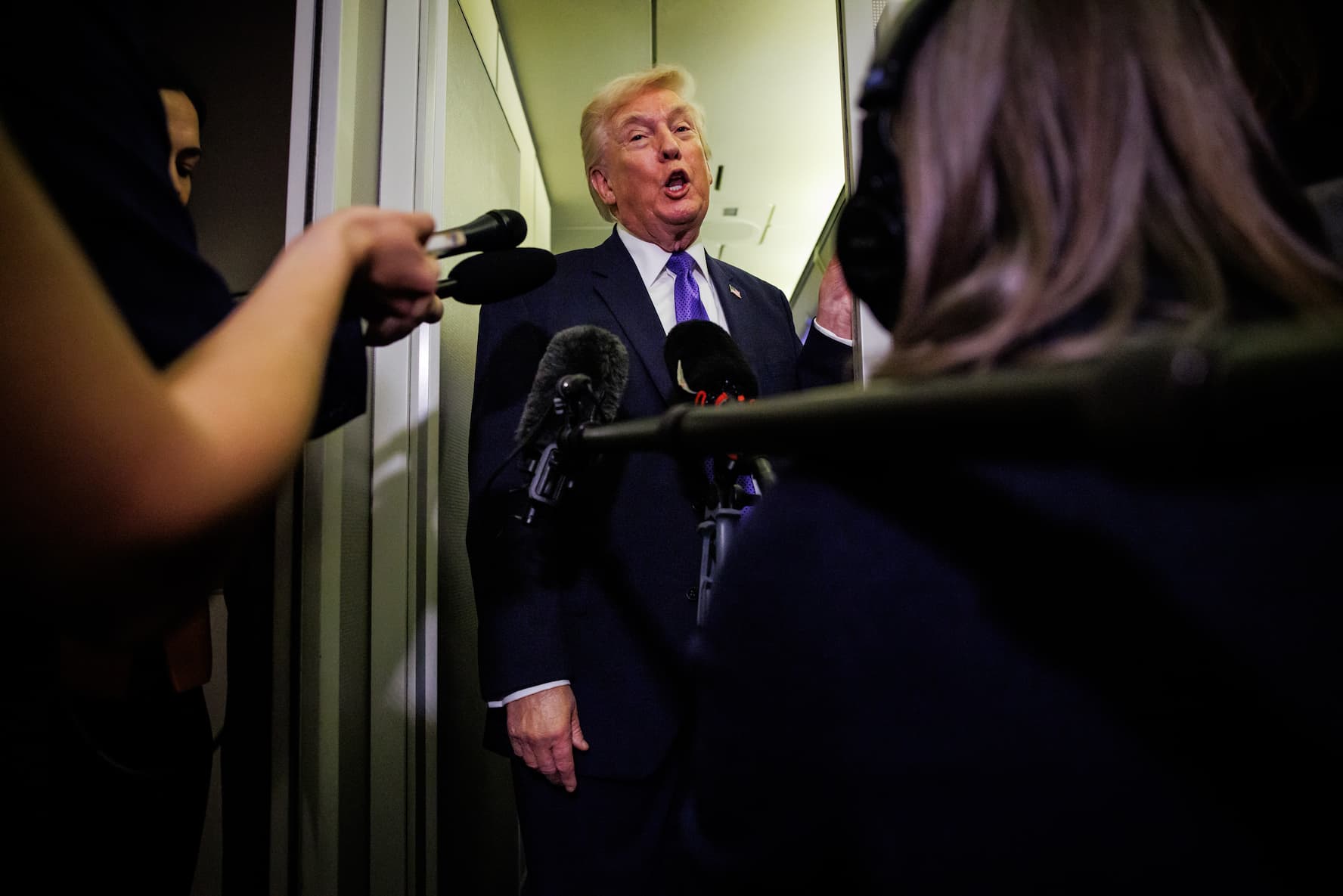
Read the Brookings analysis of Trumps' threat to 'nationalize' elections.
 Michelle L. Price, Associated Press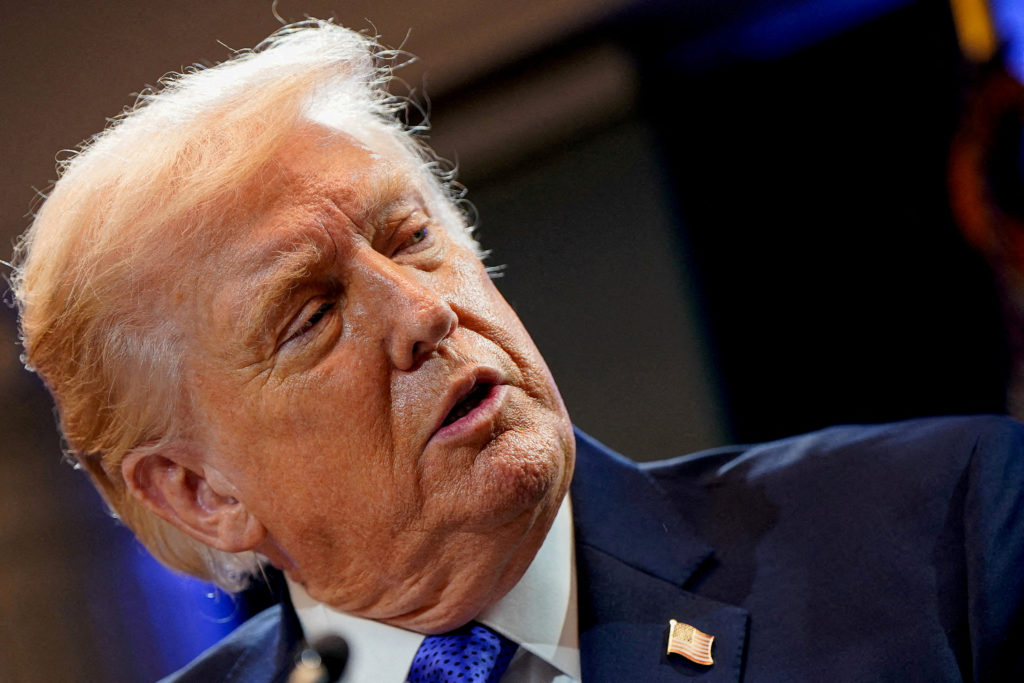
Read about Trump's response to the Supreme Court decision to strike down tariffs.
 Media Matters Staff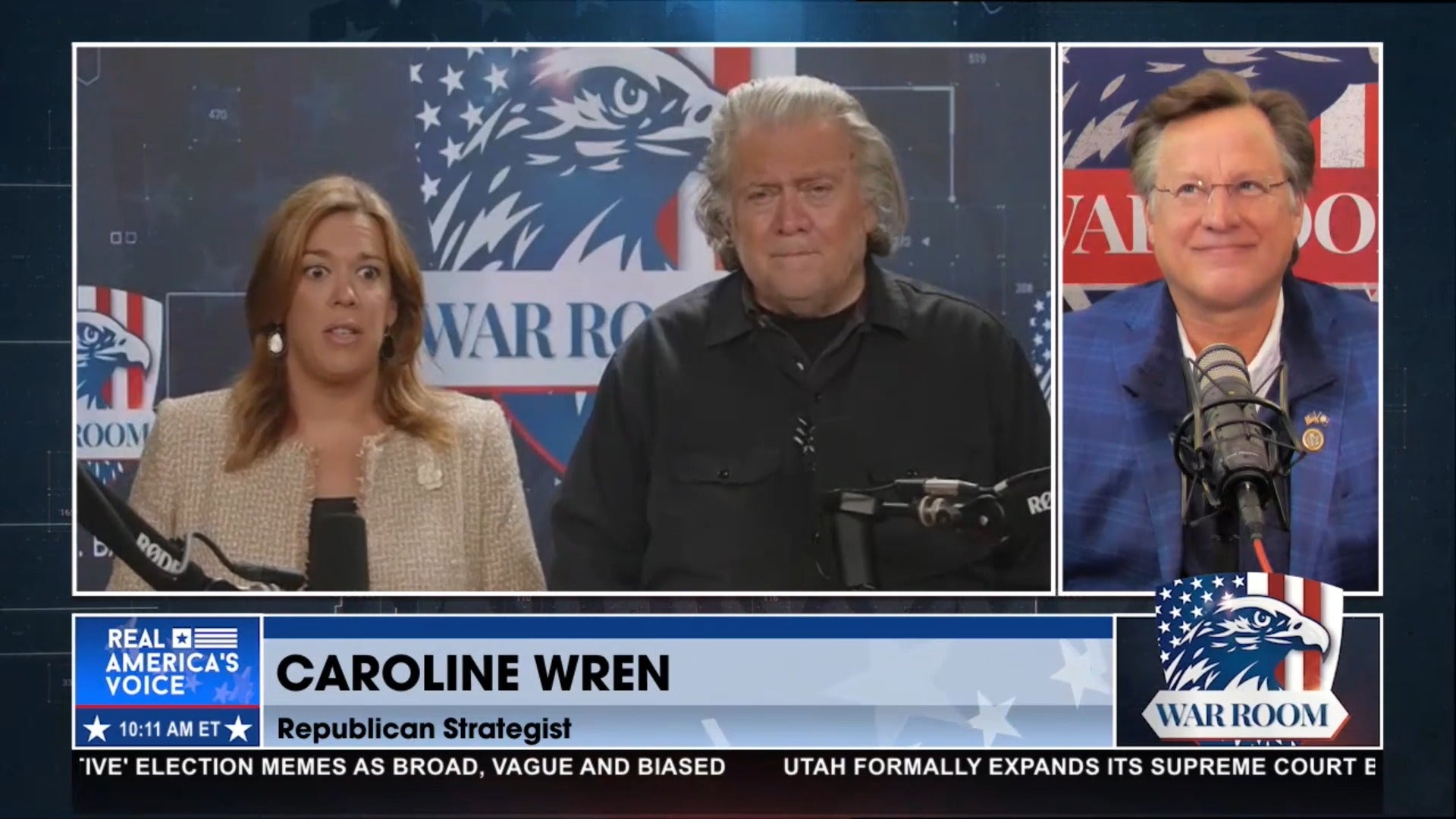
Watch former Trump strategist Steve Bannon's unhinged claim about using ICE at the polls.


Read the Federalist No. 28 to learn how Hamilton intended for the people to to use state and federal governments as instruments of redress for invasion of rights.


Read the Federalist No. 51 to learn how Madison expected state and federal governments to provide the people a double security by checking each others' power.
 7843
7843
Learn more about the Insurrection Act.
 Natalia Contreras
Explore nonpartisan reporting on voter issues and elections.
 More
More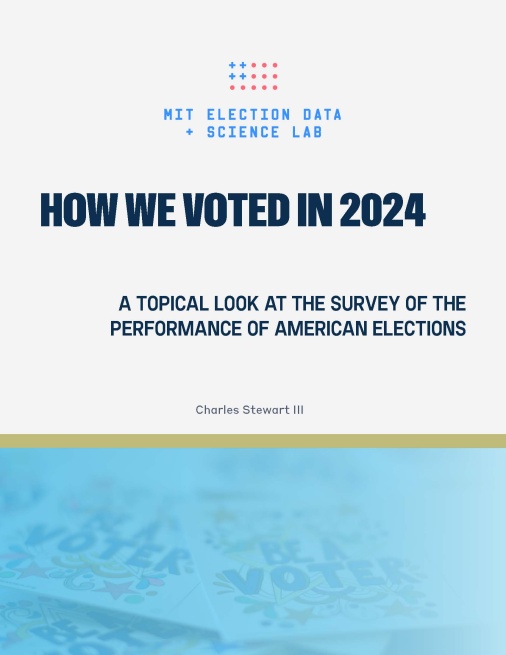
Read about the 2024 election and voter beliefs.
Alexander Shur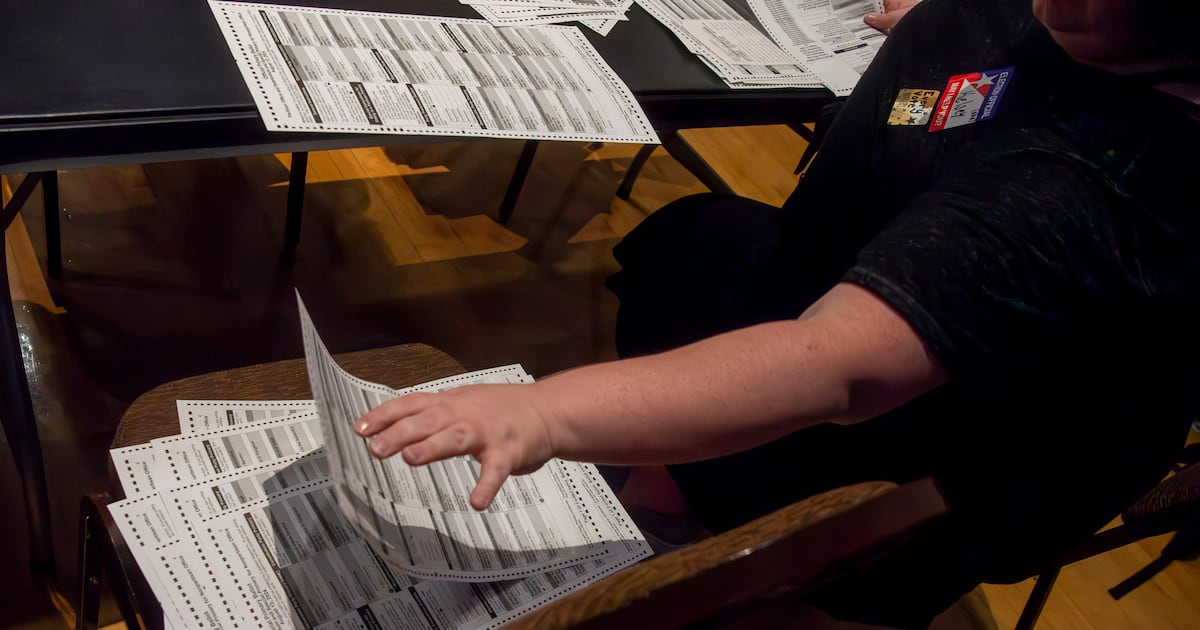
Learn the truth about voter roles vs. population counts.
Alexander Shur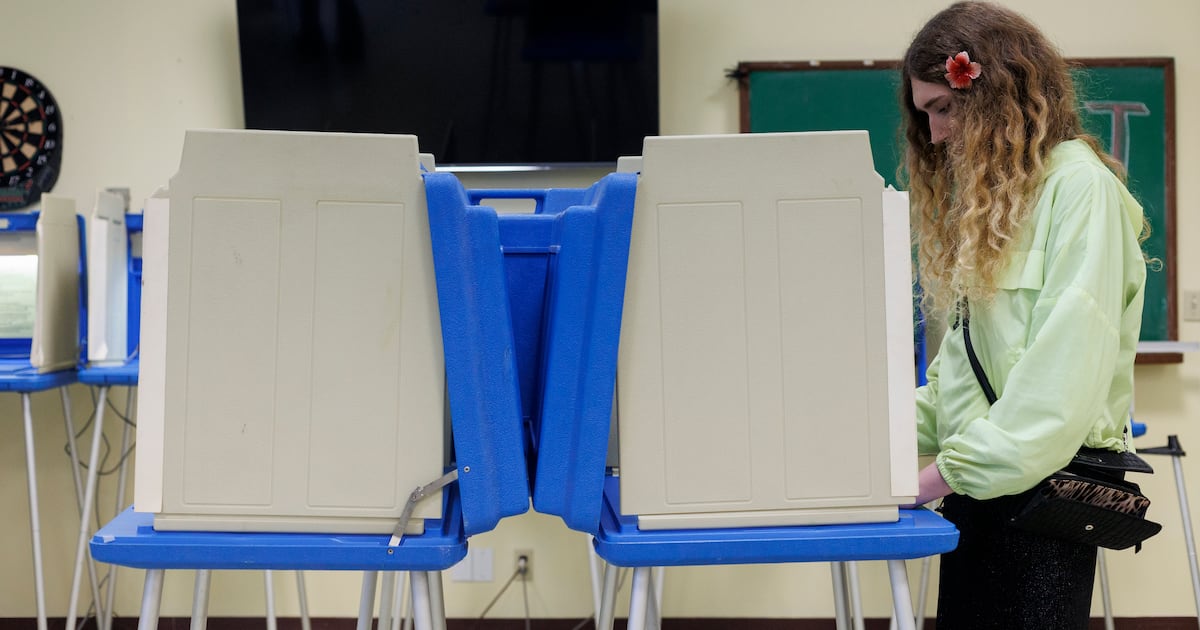
Learn how same-day voter registration impacts turnout percentages.
 Jacob R. Swartz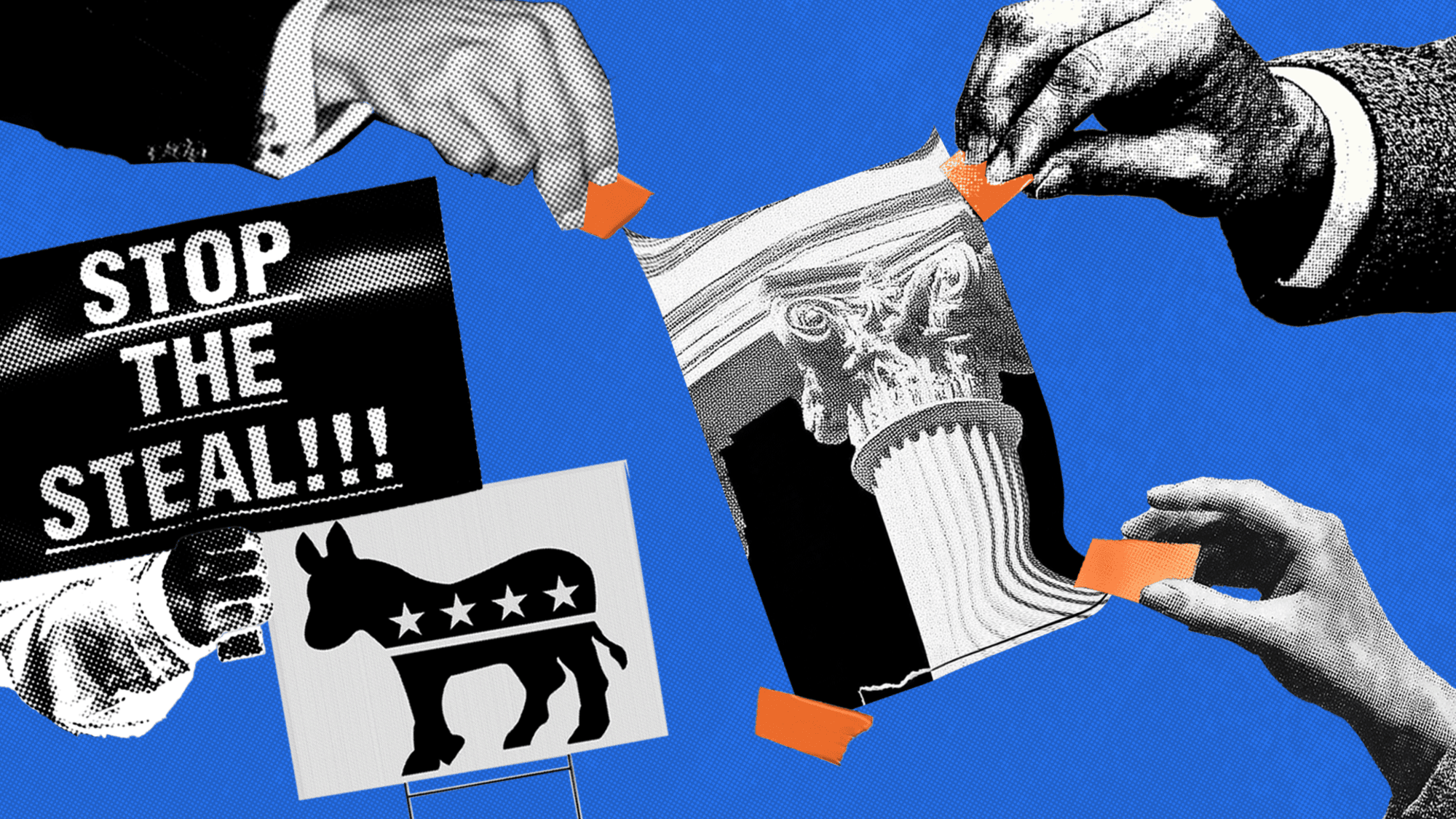
Read about the Election Truth Alliance and false claims of 2024 voter fraud.
Jessica Huseman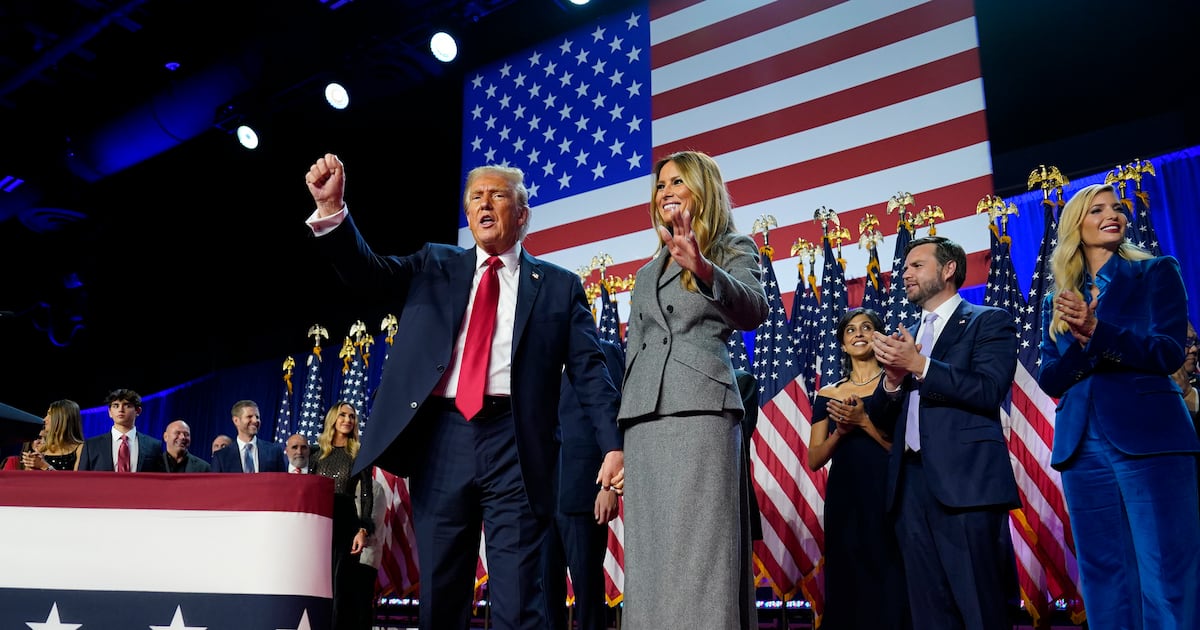
Learn about the danger of persistent conspiracy theories related to elections.
 Jim Saksa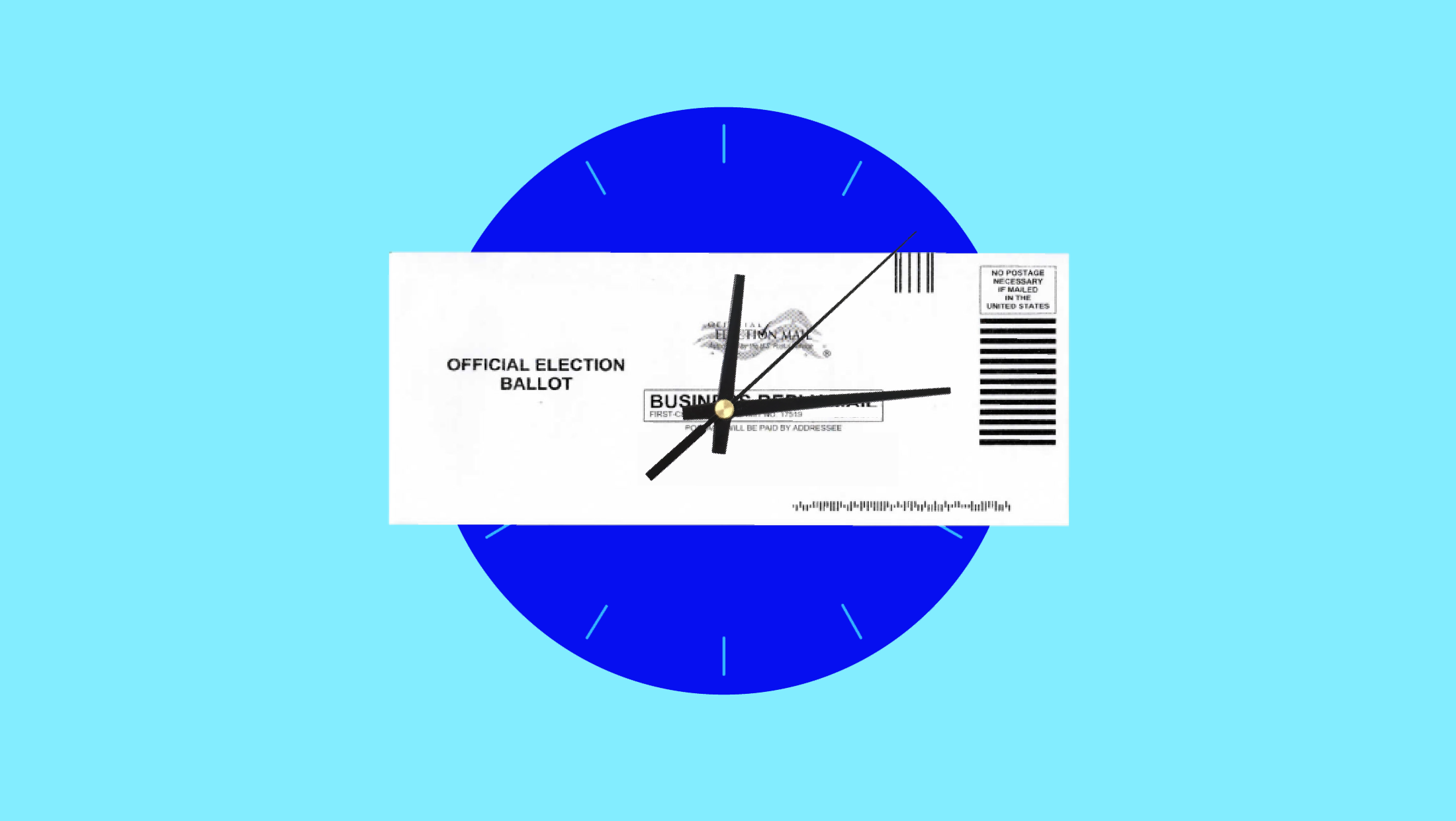
Read about potential voter impacts related to USPS changes.


Check out the 5 Calls app, and learn how to make your voice heard in Congress.
Learn more about voting and find local resources to get educated.
 Office of the Law Revision Counsel
Learn why it's illegal to pay people to vote.
 Office of the Law Revision Counsel
Learn why it's illegal for armed federal officers to be at the polls.
A reminder about separation of powers.
@cnn CNN's Dana Bash analyzes President Trump's call to Republicans to nationalize future elections.
♬ original sound - CNN
Watch the original No Kings protest video.